
Get to know one kitchen herb a month: chives (January), parsley (February), cilantro (March), peppermint (April), basil (May), lavender (June), dill (July), rosemary (August), thyme (September), spearmint (October), sage (November) and bay (December). Each month below says when to start it, how to grow it and how to cook with it.
We love herbs for their beauty as much as their flavor, which is why four of them, peppermint, lavender, rosemary and spearmint, appear in their own months in our 2027 Vintage Herb & Fern Calendar. This guide gives each month a herb, so by the end of the year you will know a dozen.
Good to know: this guide is about growing herbs and cooking with them. The months follow the Northern Hemisphere. Your own weather comes first: always check your local last frost date before planting outside.
The 12 herbs, month by month
Chives
Grow: a hardy perennial that comes back every year. A pot on a sunny windowsill keeps you in fresh chives through winter. Snip the leaves as you need them.
Cook: sprinkle on baked potatoes, soups, scrambled eggs or a bean salad for a mild onion taste.
Parsley
Grow: a biennial usually grown as an annual. Start seeds indoors now: they are slow to sprout (about 2–5 weeks), and soaking them in warm water for up to a day can help.
Cook: flat-leaf parsley has the stronger flavor. Use it by the handful in tabbouleh, lentil salads and herb sauces.
Cilantro
Grow: a cool-season herb. It runs to seed (bolts) quickly in hot weather, so sow it early in spring, and sow a little more every 2–3 weeks for a longer harvest. The seeds are the spice coriander.
Cook: fresh leaves brighten salsa, bean bowls, rice and curries. Add them at the end.
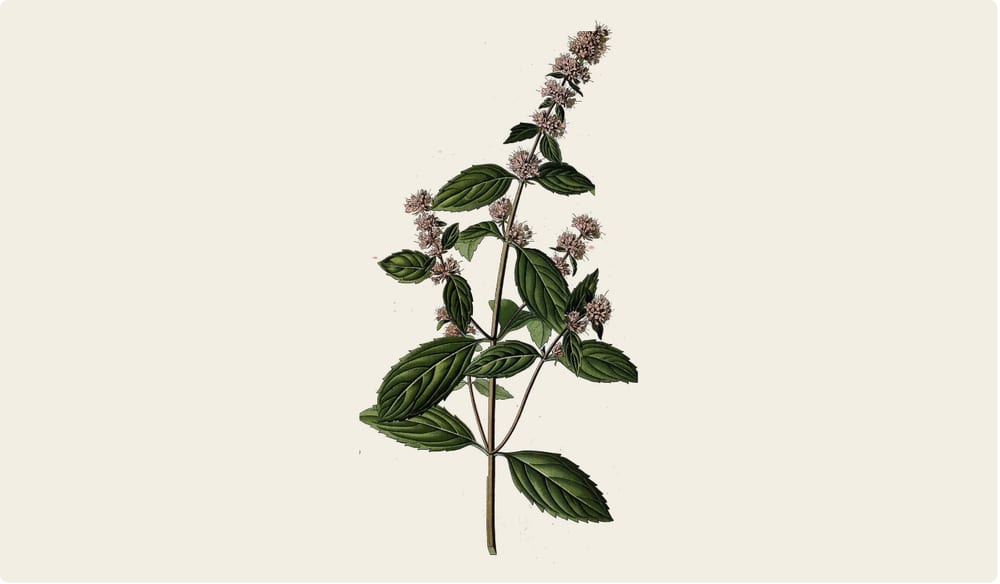
Peppermint · in our calendar
Grow: mint spreads quickly through underground stems, so give it its own pot. Spring is a good time to pot up a new plant.
Cook: peppermint has a strong, cool flavor. Steep fresh leaves in hot water for mint tea, or add a few to fruit salad.
Basil
Grow: basil is very sensitive to cold. Plant it outside only after frost danger has passed and nights stay warm (about 50°F / 10°C). Pinch off the tips and flower buds to keep it bushy.
Cook: pair it with tomatoes, stir it through pasta at the end, or blend it into pesto.
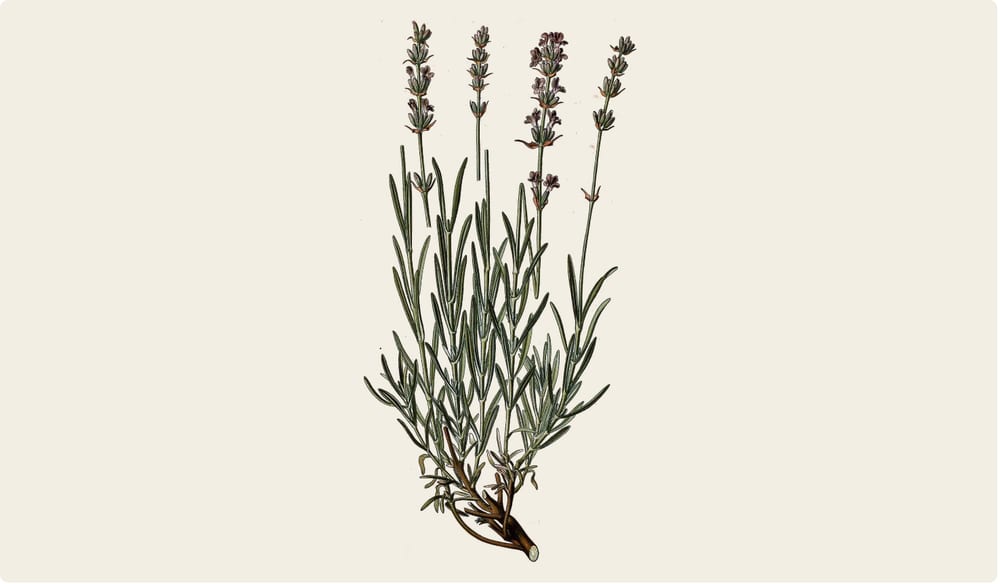
Lavender · in our calendar
Grow: English lavender (Lavandula angustifolia) is the type most used in cooking. It needs full sun and very well-drained soil, and it flowers in early summer.
Cook: use only a pinch of culinary lavender, as too much tastes soapy. Try it with berries, in oatmeal or in lemonade.
Dill
Grow: dill has a long taproot and does not like being moved, so sow the seeds right where they will grow.
Cook: a classic with cucumbers, potatoes, green beans and homemade pickles.
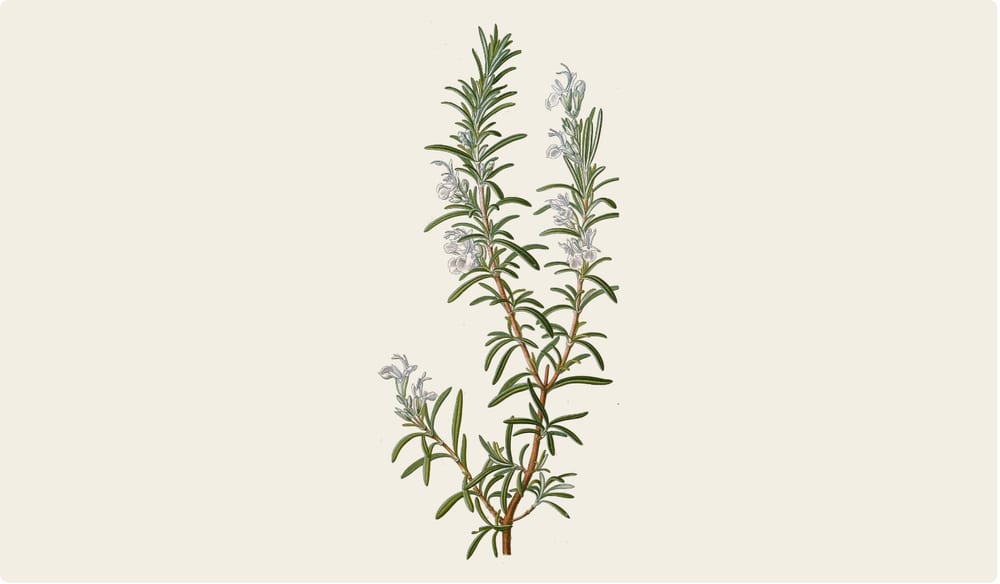
Rosemary · in our calendar
Grow: a woody evergreen that needs sun and good drainage. It is hardy only to about USDA zone 8, so in colder areas grow it in a pot and bring it indoors for winter, into a cool, bright spot. It can be tricky indoors, so don't overwater it.
Cook: wonderful with roasted potatoes, roasted vegetables, white beans and homemade bread.
Thyme
Grow: a small woody perennial that likes sun and well-drained soil. Trim it lightly as you pick, and it will stay neat.
Cook: a favorite in soups, stews, lentils and roasted vegetables.
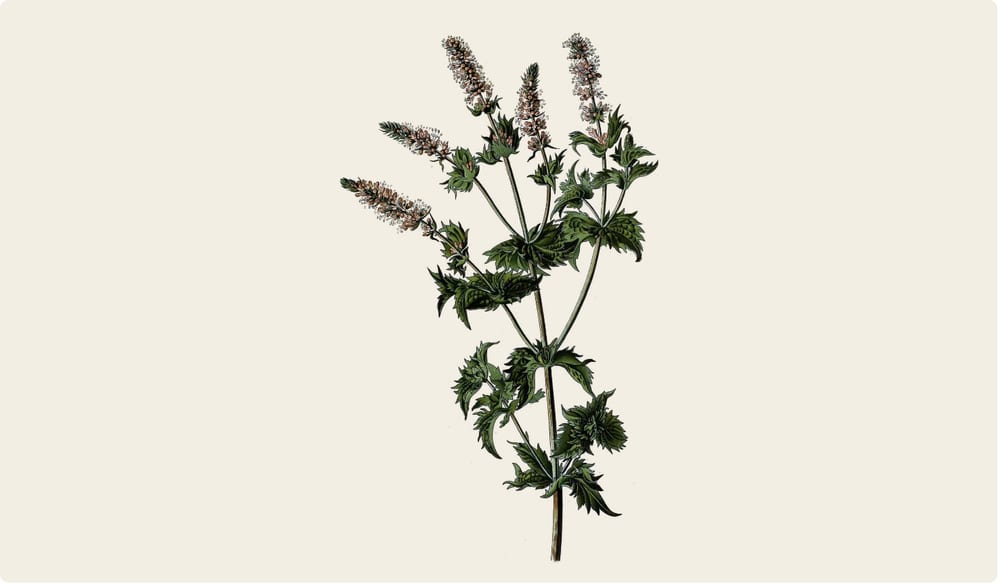
Spearmint · in our calendar
Grow: like all mint, it spreads fast, so keep it in a pot. Pick it often to keep fresh leaves coming.
Cook: spearmint is milder and sweeter than peppermint. Lovely with peas, in tabbouleh and in yogurt sauces.
Sage
Grow: garden sage (Salvia officinalis) is a hardy perennial in most of the US. Some colorful types, like purple and tricolor sage, are less winter-hardy.
Cook: a warm, earthy flavor for holiday stuffing, roasted squash and white beans.
Bay
Grow: culinary bay leaves come from the bay laurel tree (Laurus nobilis). It is hardy only in mild climates (about zone 8b and warmer), so elsewhere it lives in a pot and comes indoors for winter.
Cook: add a leaf or two to bean soups, stews and rice. Take the whole leaves out before serving.
The plants in our Herb & Fern Calendar
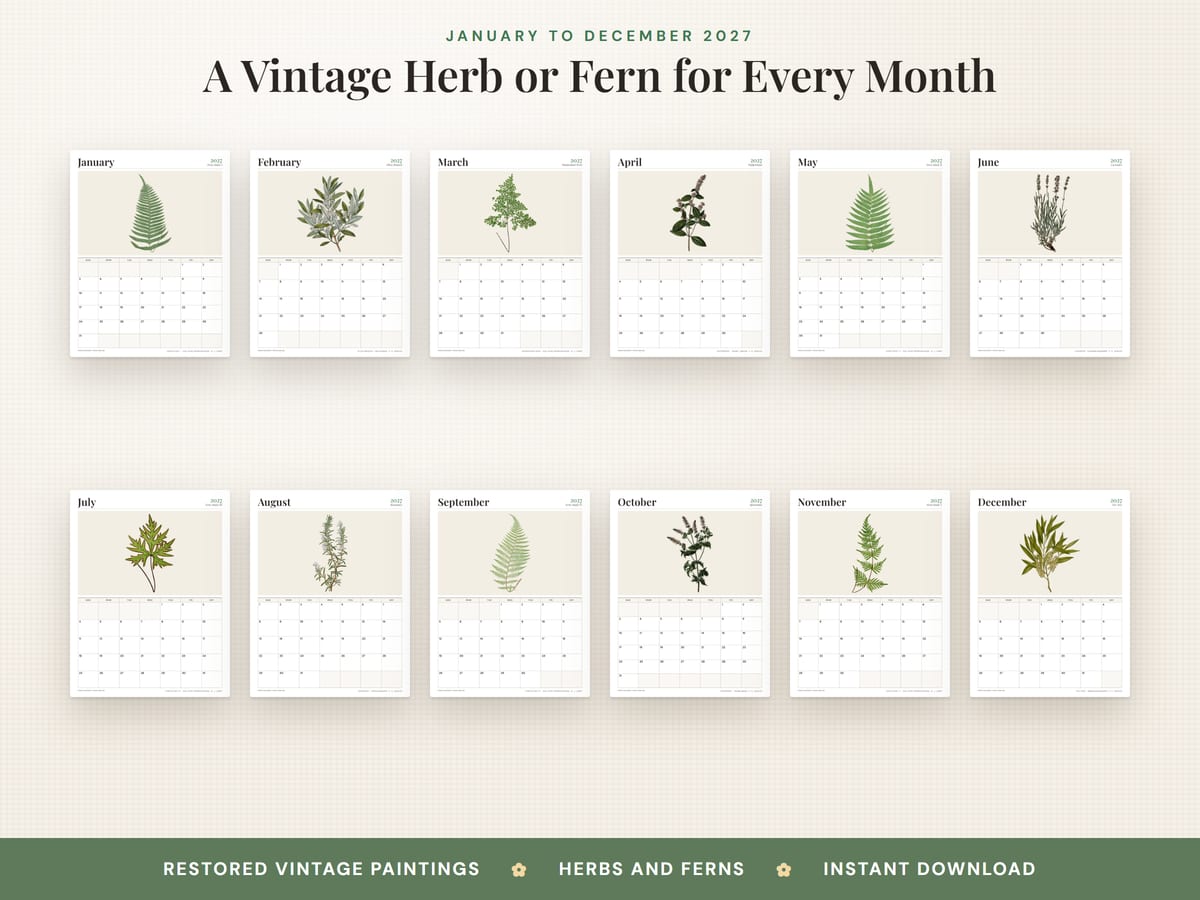
We want to be clear about what the calendar shows. It mixes herbs and greenery for their beauty, and not every plant is for the kitchen:
| Month | Plant | Kitchen herb? |
|---|---|---|
| January, May, July, September, November | Fern studies | No, for beauty only |
| February | Olive branch | The olive tree grows outdoors only in mild climates (about zones 8–10) |
| March | Maidenhair fern | No, for beauty only |
| April | Peppermint | Yes |
| June | Lavender | Yes, English lavender in small amounts |
| August | Rosemary | Yes |
| October | Spearmint | Yes |
| December | Tea tree | No. Tea tree is not a kitchen herb, and tea tree oil is poisonous if swallowed. Keep it away from children and pets. |
The paintings are real vintage botanical art, now in the public domain, carefully restored by us: the herbs and the olive and tea tree branches come from F. E. Köhler's 1887 plant book, and the ferns from E. J. Lowe's fern books (1856–1857). Each calendar comes as 4 fillable PDF files (US Letter and A4, Sunday and Monday start) for $5.99.
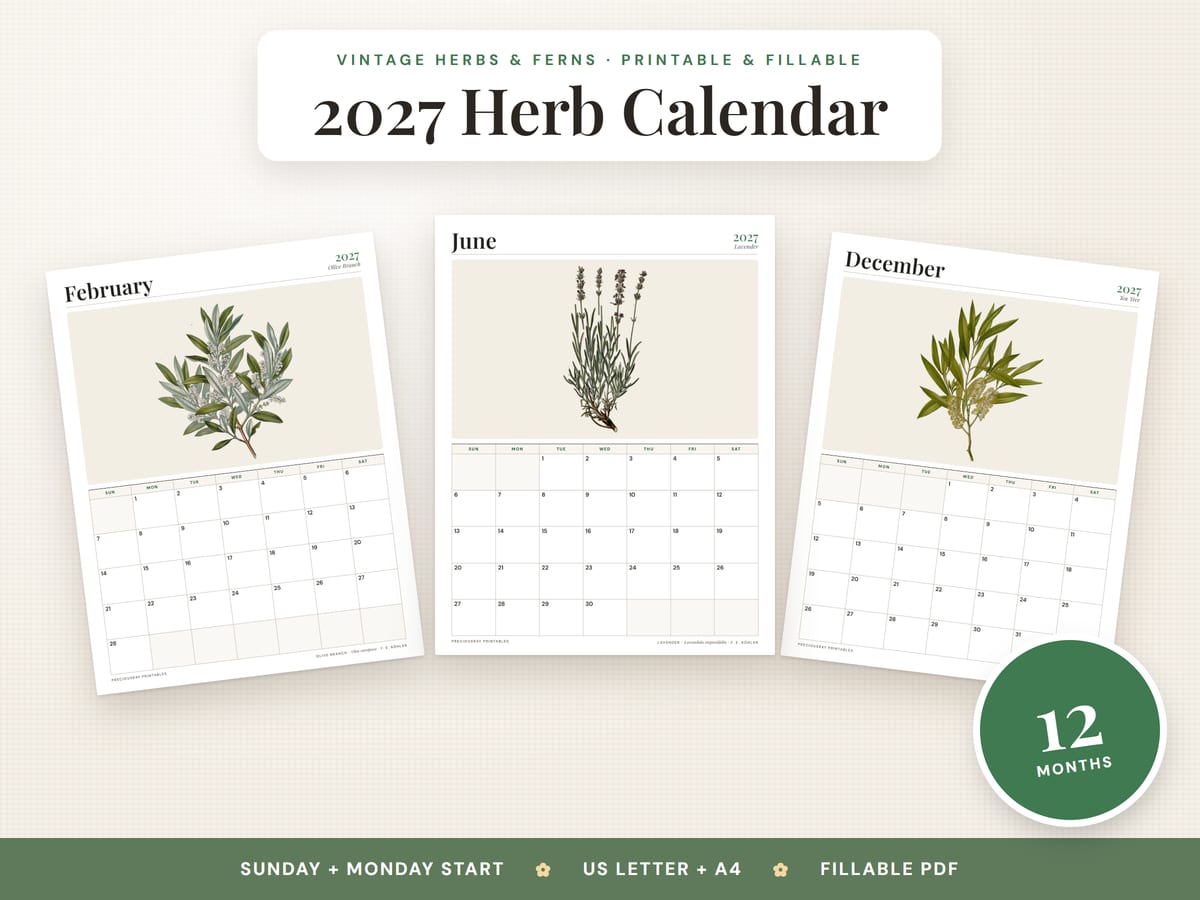
2027 Vintage Herb & Fern Calendar
Type your plans in or print and write. Calm greens for a kitchen wall.
$5.99 · instant downloadSee it on Etsy →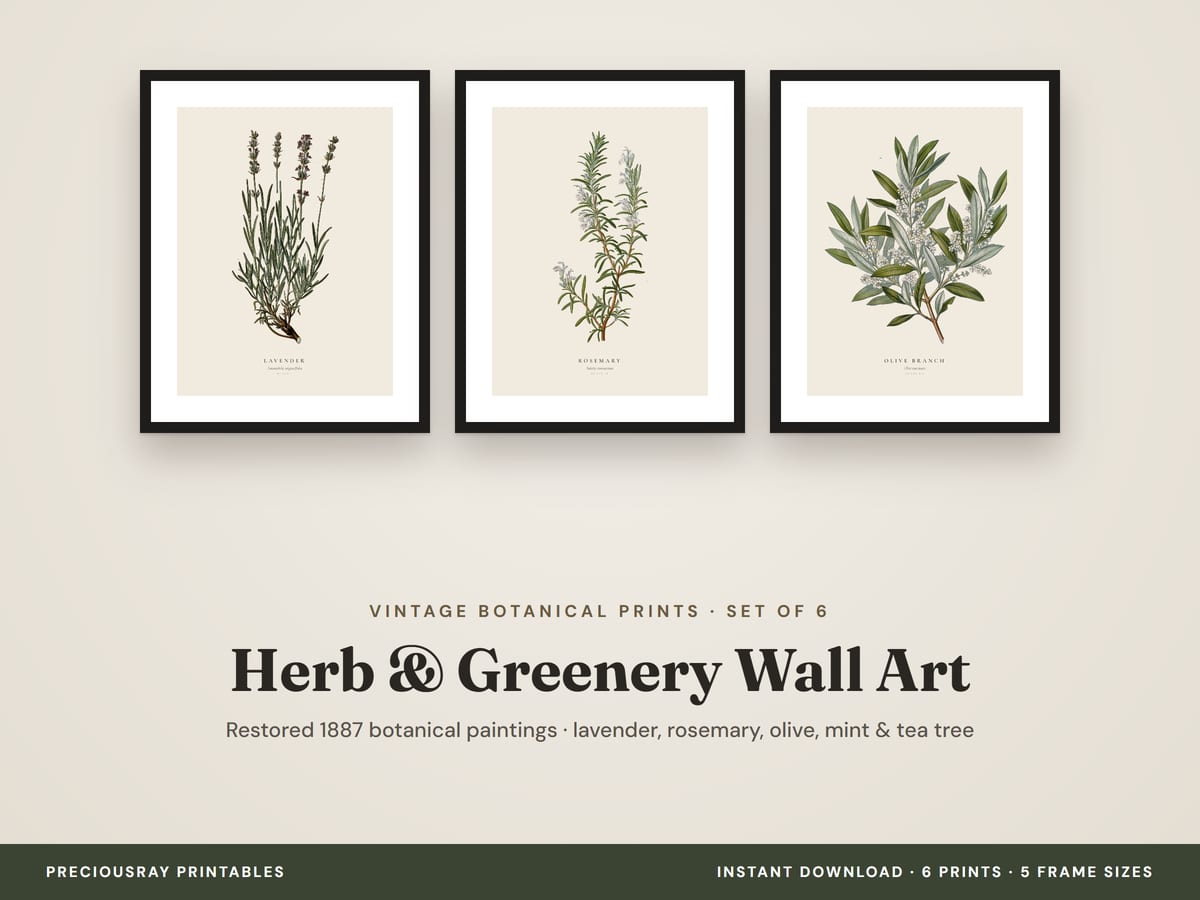
Vintage Herb Prints, set of 6
The same restored herb paintings, sized for frames, for a kitchen gallery wall.
$9.99 · instant downloadSee it on Etsy →Questions people ask
What are the easiest kitchen herbs to grow at home?
Chives, mint, parsley, thyme and basil are good first herbs. Chives and mint are very forgiving, and basil grows fast once the weather is warm.
Which herbs can grow on a windowsill?
Chives, parsley, mint and basil do well in pots on a sunny windowsill. Rosemary and bay can spend the winter indoors in a cool, bright spot.
Why should mint grow in a pot?
Mint spreads quickly through underground stems and can take over a garden bed. A pot keeps it in one place.
What is the difference between peppermint and spearmint?
Peppermint has a stronger, cooler flavor. Spearmint is milder and sweeter, which makes it popular in savory dishes like tabbouleh and pea salads.
Is every plant in the Herb & Fern Calendar a kitchen herb?
No. Four of its plants are kitchen herbs: peppermint, lavender, rosemary and spearmint. It also shows an olive branch, tea tree and six ferns, which are there for their beauty. Tea tree is not a kitchen herb, and its oil is poisonous if swallowed.
Do these months work in the Southern Hemisphere?
This guide follows the Northern Hemisphere year. In the Southern Hemisphere, shift each tip by about six months, and always go by your own last frost date.
Where our facts come from
We checked the growing facts in this guide against university Extension services and the US Poison Control center (November 2026):
- Chives and parsley: University of Minnesota Extension (chives), (parsley)
- Cilantro: UC Master Gardeners, Santa Clara County
- Mint, dill and thyme: University of Illinois Extension (mint), (dill), (thyme)
- Peppermint vs spearmint, and culinary lavender: Purdue Extension FoodLink (mint), (lavender)
- Basil: Clemson Cooperative Extension, Home & Garden Information Center
- Lavender, rosemary, sage, bay and olive: NC State Extension Plant Toolbox (rosemary, sage, bay, olive)
- Tea tree oil: National Capital Poison Center (Poison Control)
A herb or fern for every month
Hang our vintage Herb & Fern Calendar in your kitchen for 2027.
See the Herb & Fern Calendar